PPF vs Nano Ceramic Coating: Which Protects Your Car Better?
PPF absorbs stone chips; nano ceramic adds gloss, water repellence and easier cleaning. They do different jobs, and many cars benefit most from both.
When it comes to protecting paint, many owners ask about PPF vs nano ceramic coating. The short answer: they do different jobs. Paint protection film is a physical, relatively thick layer that absorbs stone chips and light scratches. Nano ceramic is a very thin coating that bonds to the paint, adding gloss, water repellence and easier cleaning. The better option depends on the damage you want to avoid, and often the best plan is to combine them.
What is PPF?
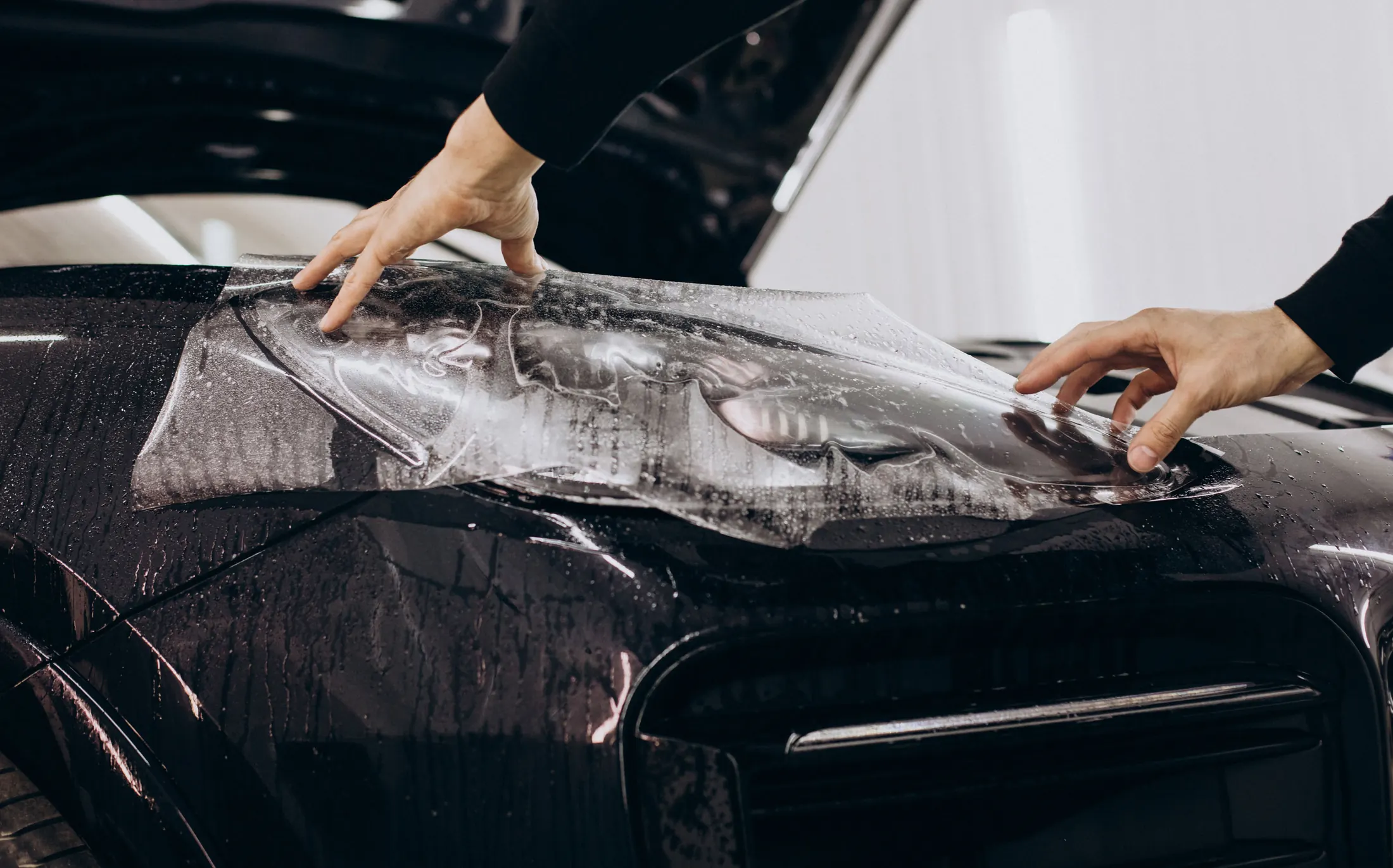
A clear film applied over the paint. The US-made film in our paint protection film service has a 177 µm (8.0 mil) polyurethane layer under a 13 µm (0.5 mil) clearcoat, with a 28 µm (1.1 mil) acrylic adhesive. It absorbs small impacts, resists yellowing, UV, acids and alkalis, and self-heals light surface scratches.
What is nano ceramic coating?
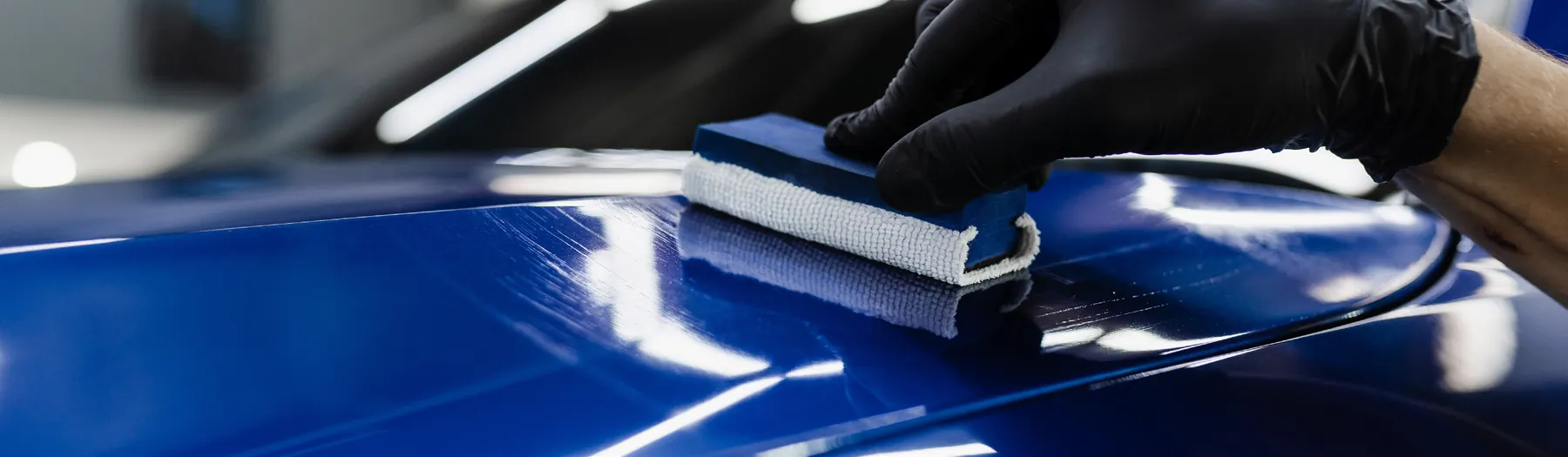
A liquid coating that cures into a thin, slick shell. The German product in our nano ceramic service offers 100 months of protection, a 115-degree water contact angle, UV protection and self-healing of light scratches. Dirt and water struggle to stick, so washing is quicker.
PPF vs nano ceramic coating side by side
| Feature | PPF | Nano ceramic |
|---|---|---|
| Stone-chip protection | High | Limited |
| Light scratches | Self-healing | Self-healing |
| Water repellence | Good | High (115°) |
| UV protection | Yes | Yes |
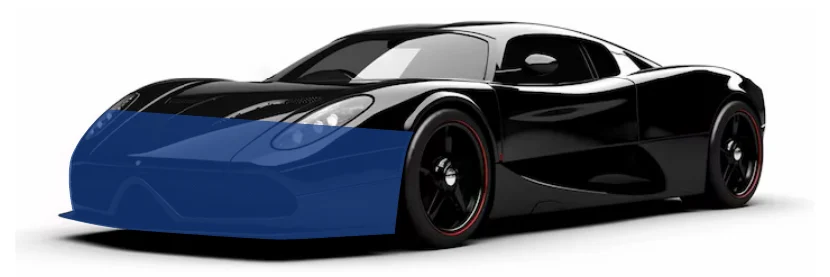
| Partial coverage | Quarter front, full front or full body | Usually whole car |
Choose PPF if
- You drive a lot between cities and the front takes flying stones.
- Your car is new and you want to keep the original paint.
- Your paint is dark or resale value matters to you.
Nano ceramic may be enough if
- You mostly drive in the city at lower speeds.
- Your priority is gloss, easy washing and sun protection.
Why combining both is often smartest
Install PPF on the most exposed areas, such as the front, bonnet and mirrors, or on the whole car, then apply nano ceramic to the remaining painted surfaces, and over the film where the technician recommends it. You get impact protection where it matters and a glossy, water-repellent finish everywhere. In every case, the paint should be cleaned and corrected before application, because protection seals in whatever is underneath.
Common mistakes when comparing
- Assuming nano ceramic stops stone chips: it protects the surface and eases cleaning, but it does not absorb impacts like film.
- Assuming film needs no care: it still needs correct, regular washing.
- Comparing on price alone: the two products do different jobs, so compare them by what your car actually needs.
Summary
PPF wins on physical protection; nano ceramic wins on gloss and easy care. Together, they give your car the best of both. Book an appointment and our technician will inspect your paint and suggest the right plan.
Frequently asked questions
Can nano ceramic be applied over PPF?
Which protects better against stone chips?
How long does your nano ceramic last?
Your car deserves the best
Book now at your nearest branch, or message us on WhatsApp with any question.