Reflective Window Film for Daytime Privacy: Pros and Limits
Reflective film makes your glass look like a mirror from outside during the day, but it is not magic at night. Here is the simple physics and when it fits.
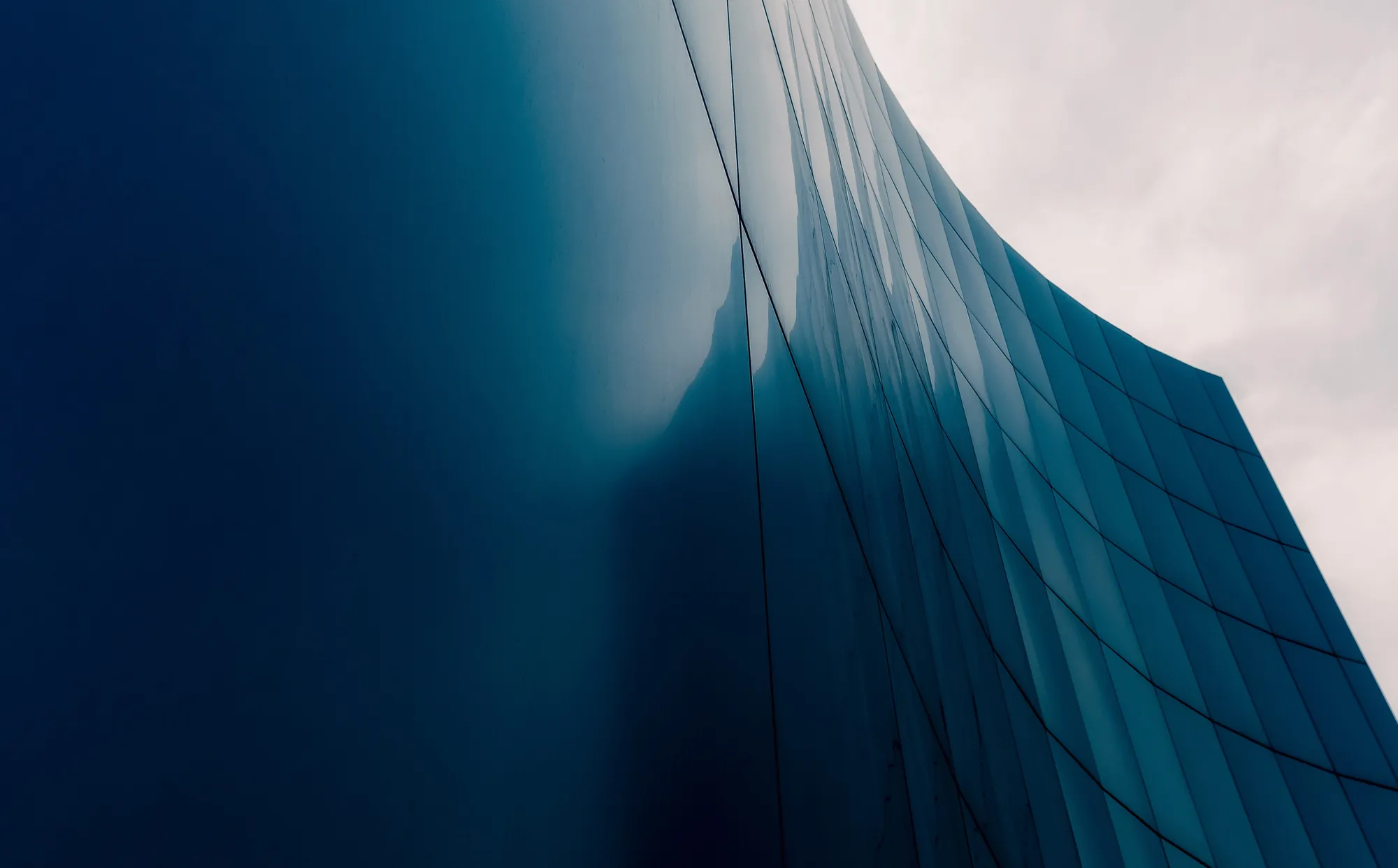
Reflective window film gives good privacy during the day: people outside see a mirror-like surface while you still see out reasonably well. But that privacy depends on the outside being brighter than the inside. At night, when your rooms are lit, the effect reverses and the interior becomes visible from outside. Understanding this simple principle avoids disappointment.
How reflective film works
A thin reflective layer reflects part of the light and transmits the rest, roughly equally from both sides. What you see depends on which side is brighter:
- By day: strong sunlight reflects off the film, so passers-by see the sky and surroundings, which overwhelms the dimmer image from inside.
- At night: the interior is brighter. You see your own room reflected in the glass, and people outside can see in.
It is not an absolute one-way mirror. It always depends on the lighting difference, which is general physics for this type of film.
Advantages
- Daytime privacy without losing your view.
- Helps reject solar heat and reduce heat gain.
- Softens glare.
- A uniform, modern facade that hides clutter behind the glass.
- Helps protect interiors from UV fading.
Limits to know
- Night privacy: use curtains or blinds in private rooms after dark.
- Interior reflections at night: normal with reflective films and lower with less reflective ones.
- Glare toward neighbours: choose a balanced reflectance and follow official regulations or building and compound rules on facade appearance.
- Daylight: dark reflective films can cut more light than living spaces need.
When is it the right choice?
It suits ground-floor offices facing a street, villas overlooked by neighbours (with curtains at night) and commercial facades that need a uniform look. It is usually not ideal for showrooms that need products visible from outside, where a clear film works better. If heat is your main concern rather than privacy, a clear nano ceramic film may fit better. For ground-floor doors, consider glass safety film too.
Common mistakes
- Expecting round-the-clock privacy from film alone.
- Choosing the highest reflectance for every facade, making rooms too dim.
- Ignoring orientation: sunny facades benefit most, because the light difference is greater.
- Skipping samples: the look changes with glass type and lighting.
Summary
Reflective window film is excellent for daytime privacy and for cutting heat and glare, but it needs curtains for privacy at night. Explore our building window film options, then request a quote or site visit to test samples on your glass.
Frequently asked questions
Can people see inside at night with reflective film?
Does reflective film also reduce heat?
Are there restrictions on reflective facade film?
Your car deserves the best
Book now at your nearest branch, or message us on WhatsApp with any question.