Choosing the Right Car Tint Shade: Visibility, Privacy, Rules
Choosing a tint shade is a balance of safety, privacy, heat comfort and regulations. Here is a practical way to decide.
Finding the right car tint percentage is not just about looks. It balances visibility while driving, the privacy you want, heat comfort and compliance with traffic regulations. The quick answer: choose the lightest shade that gives you enough privacy, rely on film quality rather than darkness for heat rejection, and confirm the shade meets current General Department of Traffic regulations before installation.
What does the tint percentage mean?
The number quoted with a tint usually refers to how much visible light passes through the glass after the film is applied. A lower number means a darker film; a higher number means a lighter film and a clearer view. This is different from heat rejection, which describes how much heat the film blocks. A darker film is not automatically cooler: high-quality light films such as nano ceramic can reject a large share of infrared.
Factors behind the right car tint percentage
- Safety and visibility: you need a clear view of the road, pedestrians and mirrors, especially at night.
- Privacy: many families prefer more privacy in the rear seats; our technician can suggest a suitable layout within the rules.
- Heat comfort: focus on film type first. Nano ceramic IR70 rejects 95% of infrared with 42%–65% heat rejection, while carbon film offers 36%–63%.
- Driving habits: frequent night drivers usually prefer lighter shades.
- Regulations: traffic rules on window tint may be updated, so check the current official regulations; our branch technician will advise on permitted shades.
Mixing shades across windows
Your windows do not all need the same shade. Many owners choose a shade for the front side windows that keeps the driver’s view of mirrors and the road clear, and a different shade for the rear windows to give passengers more privacy, always within what the rules allow. The windscreen and panoramic roof let in a lot of heat but are closely tied to driver visibility, so discuss options for them with the technician; light, high-performance films are often a good fit when choosing the right car tint percentage for these areas.
Common mistakes
- Copying another car’s shade without considering differences in factory glass.
- Assuming that darker always means cooler.
- Skipping a sample test on your own glass.
- Ignoring the rules and having to remove the film later.
How we help
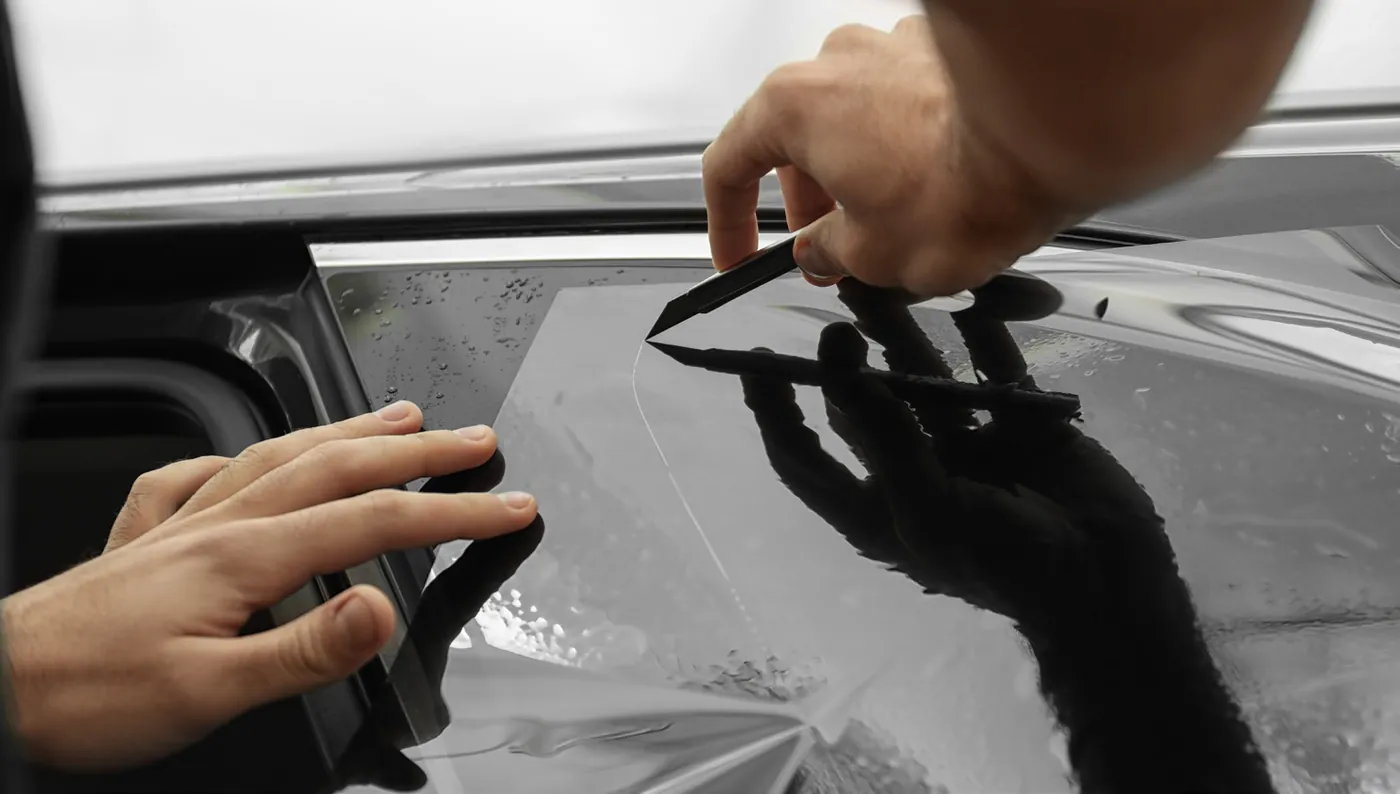
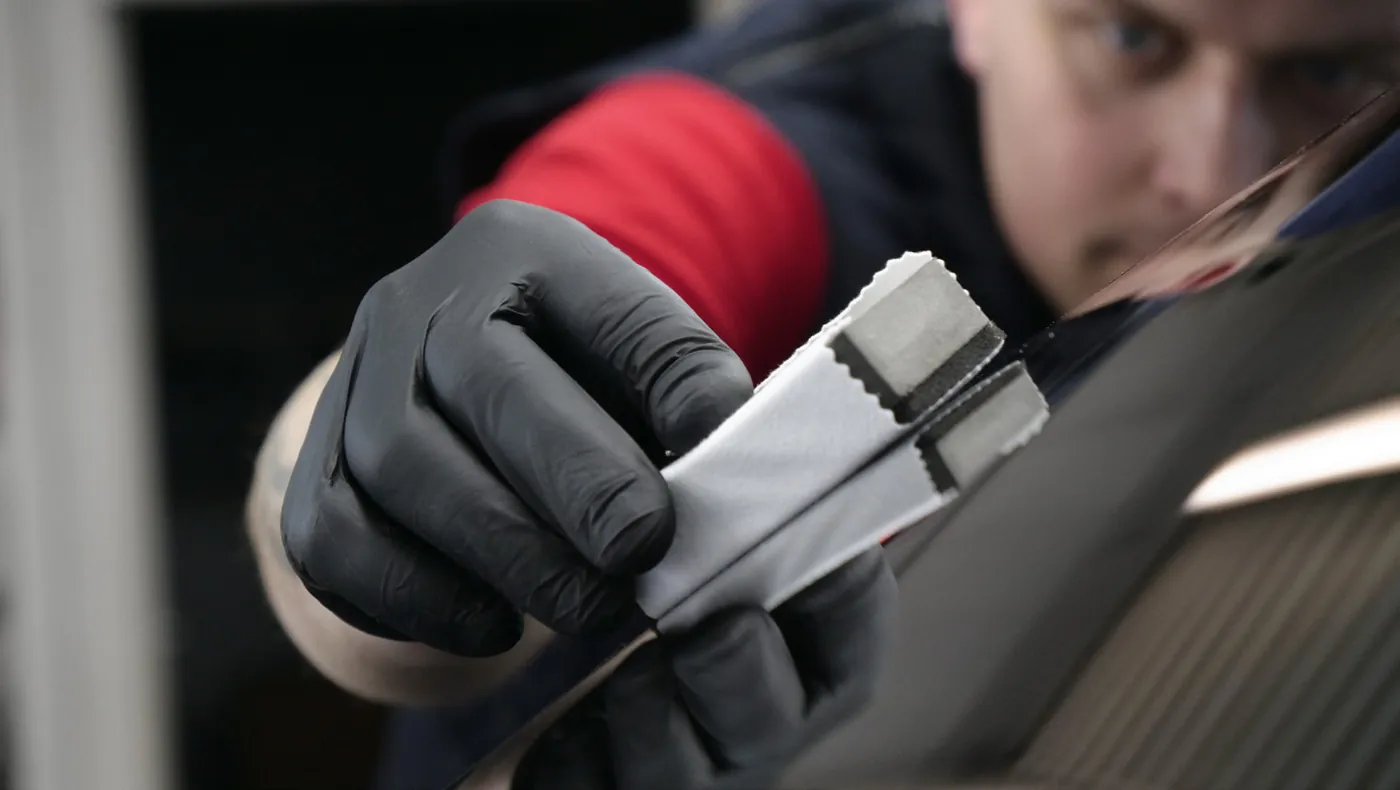
At the branch we ask about your priorities, show carbon and nano ceramic samples in different shades, explain permitted shades and list the film and shade for each window in your quote. Learn more about our car window tint service.
Summary
The right shade protects your privacy without compromising visibility and stays within current regulations. Book an appointment or contact us and our technician will help you test samples and choose with confidence.
Frequently asked questions
What tint level is legally allowed?
Does a darker tint mean a cooler car?
Can I see the shade before installation?
Your car deserves the best
Book now at your nearest branch, or message us on WhatsApp with any question.