PPF Yellowing: Causes and How to Choose a Resistant Film
Yellowing is the top worry for owners of white and light cars considering PPF. Here are the real causes, how to tell it from dirt, and what to ask before buying.
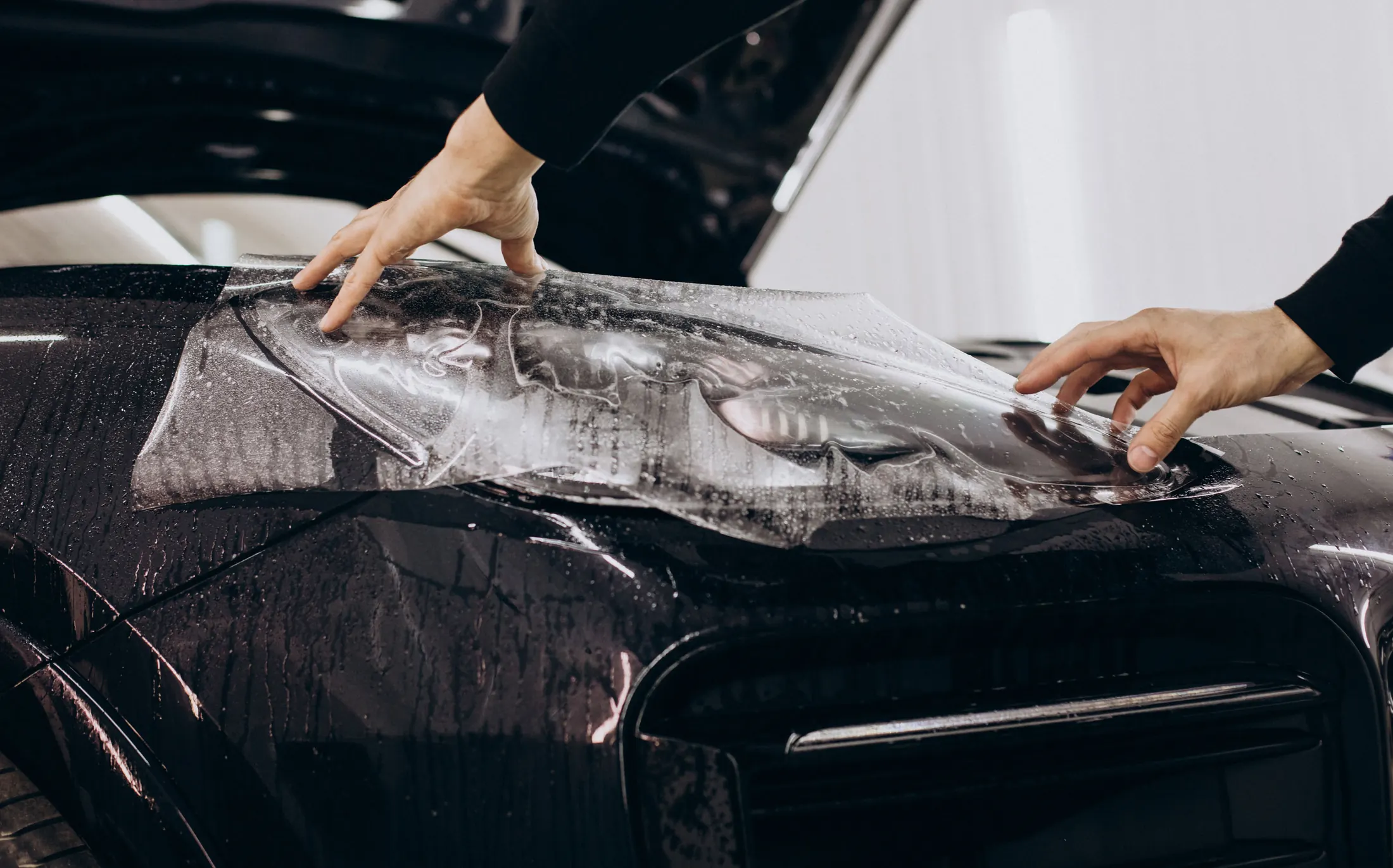
Owners of white, silver and other light cars often ask: will the film turn yellow? PPF yellowing is real, but it is not inevitable. It is mostly linked to the quality of the film, how it is cared for and what it is exposed to. Modern high-quality films are designed to resist yellowing, while low-grade films can change visibly under constant sun.
What causes PPF yellowing?
- Raw material quality: not all polyurethanes are equally stable under UV and heat; cheaper ones can discolour gradually.
- Top coat and adhesive: a weak top layer lets UV reach inner layers, and adhesive quality affects colour stability too.
- Constant sun and heat: long hours in open car parks test the film daily.
- Contaminants and chemicals: exhaust, insect residue, bird droppings and harsh solvents can speed up discolouration.
- Neglect: dirt left for long periods can make the surface look dull and yellowish.
Yellowing or just dirt?
| Sign | Surface dirt | Film yellowing |
|---|---|---|
| After a proper wash | Improves or disappears | Yellow tint remains |
| Pattern | Patchy | Even across the film |
| At film edges | Slight difference that cleans off | Clear line against bare paint |
How to choose a resistant film
Do not judge by day-one looks; most films look similar when new. Ask about origin, whether yellowing and UV resistance are part of the specifications, the thickness of the top coat and polyurethane, and a written warranty. The US-made film in our paint protection film service is designed to resist yellowing, UV, acids and alkalis, with a 13 µm (0.5 mil) clearcoat and a 177 µm (8.0 mil) polyurethane layer. The warranty period depends on the film chosen and appears in your quote and warranty card.
Habits that reduce the risk
- Wash regularly with a balanced car shampoo; avoid harsh cleaners and solvents.
- Remove droppings and insect residue quickly.
- Park in the shade when you can.
- Avoid abrasive polishes on the film.
- Consider a nano ceramic layer over the film to reduce contaminant build-up.
Why it matters more on light colours
On white or pearl paint, any colour shift shows clearly, especially at the film’s edges where covered and bare paint meet. Owners of light cars should prioritise film quality and agree with the technician on placing edges along natural body lines. On dark colours, yellowing is less visible, but weak films can still lose clarity and gloss.
If your current film has yellowed
Have it removed professionally, clean off adhesive residue, inspect and correct the paint if needed, then fit a new film. Do not pull it off by force yourself.
Summary
PPF yellowing comes down to materials first, then sun, contaminants and care. Choose a well-specified, yellowing-resistant film with a written warranty, and wash correctly. Book an inspection at your nearest branch.
Frequently asked questions
Does all PPF turn yellow over time?
How can I tell yellowing from dirt?
Can yellowed film be fixed?
Your car deserves the best
Book now at your nearest branch, or message us on WhatsApp with any question.